What are the benefits of ceramides for skin?
01
Loading page…
Loading ingredient guide…
Skincare, simply explained
Ceramides help your skin hold on to moisture. These fats are a natural part of your skin’s protective barrier, and ceramide moisturizers help dry skin feel softer, smoother and more comfortable.
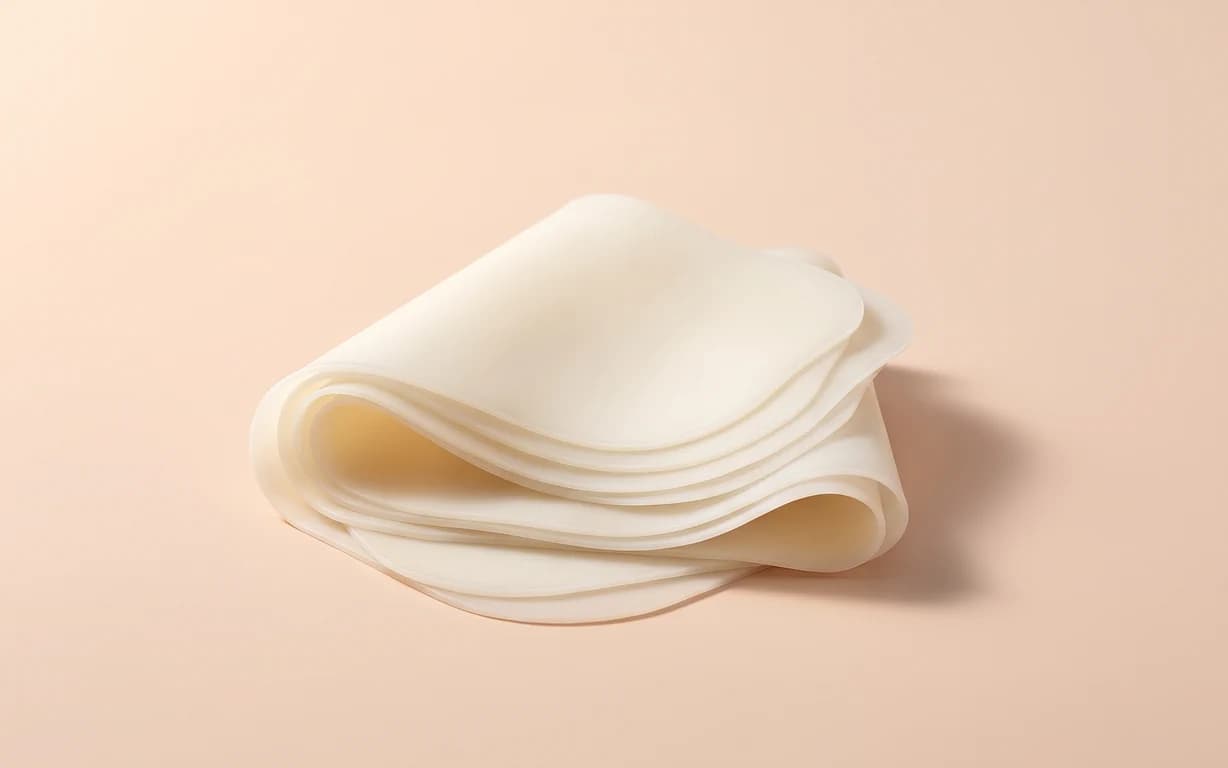
Ceramide moisturizers help reduce water loss, so skin holds on to the hydration it needs to feel comfortable.
Your skin barrier is its outer protective layer. Ceramides are part of the lipid mixture that keeps this layer working well.
A ceramide cream can soften the rough, dry feeling that makes skin look flaky and feel tight after cleansing.
Ceramides are fats found naturally in the outer layer of your skin. They sit between skin cells alongside cholesterol and fatty acids. Think of the cells as bricks and this mixture of fats as the mortar that helps hold the surface together.
This outer layer is your skin’s moisture barrier. It helps keep water inside, so skin stays comfortable rather than feeling tight and dry. Ceramides in skincare are added to support that barrier, often alongside other moisturizing ingredients.
Ceramide NP, AP and EOP are different members of the same family. You may find several in one formula. They can be used in light lotions as well as rich creams, so choosing ceramides does not have to mean choosing a heavy moisturizer.
On the ingredient list: Ceramide NP, Ceramide AP and Ceramide EOP are common forms.
Choose a texture you enjoy: a light lotion for a less rich finish, or a cream when skin feels dry.
Apply your ceramide moisturizer after cleansing and any lighter serum. Slightly damp skin is a good starting point.
Use morning, evening or both, following the product's directions. Ceramides do not need a separate waiting period.
Finish your morning routine with broad-spectrum sunscreen. At night, let your moisturizer be the final comfort step.
Think moisture first. These ingredients work alongside ceramides to keep skin feeling comfortable.
A hydrating layer before your ceramide cream. Hyaluronic acid draws in water; moisturizer helps keep it there.
A useful pairing when you want more even-looking tone alongside comfortable, moisturized skin.
Use a ceramide moisturizer to support comfort in a retinol routine. Introduce retinol slowly and adjust if skin feels dry.
Ceramides sit alongside cholesterol and fatty acids in the outer skin layer. Together, these lipids help limit moisture loss. That is why ceramides make sense in a routine built around dry-feeling skin.
Studies of ceramide creams have measured better hydration and less water loss after use. Researchers have also recorded improvements in visible dryness and skin comfort. These are the everyday benefits behind a good moisturizing routine.
Yes. They are a useful choice when skin feels dry, rough or tight. Start with a ceramide moisturizer, especially if your routine currently has plenty of serums but very little moisturizing care.
Yes. Oily skin can still need moisture. Choose a lightweight lotion or gel cream that feels comfortable, and look for a non-comedogenic label if you are prone to blocked pores.
Yes. Most ceramide moisturizers fit comfortably into a daily morning or evening routine. Follow the finished product's directions.
Ceramides are well-established skin lipids. The studies below measured hydration and comfort from complete moisturizers, including their other moisturizing ingredients.
2018-10-15
A moisturizer study measured increased hydration and reduced water loss. The researchers worked for the product manufacturer; the results describe the complete cream.
2020-04-01
A comparison on dry legs found improvements in dryness, comfort and skin lipid measurements after using a ceramide cream.
2020-11
An expert assessment covering ceramide names and their use in cosmetic products.
2026-01-02
Practical guidance on gentle cleansing, fragrance-free moisturizers and applying cream while skin is still damp.
They do different jobs. Hyaluronic acid attracts water, while ceramides support the lipid barrier that helps limit water loss. You can use both, or choose one moisturizer that contains them together.
Yes. A ceramide moisturizer is a simple way to support comfort alongside retinol. Keep retinol use gradual; adding moisturizer does not mean you need to use a stronger retinol or apply it more often.
These are names for different ceramides. They help you recognize the ingredient on a label. You do not need to count the names to choose a moisturizer: start with the texture and routine that suit your skin.
2021-08-10
Dermatologist advice on trying a new product on a small area before adding it to your routine.
Find your next routine favourite
Start with one product that fits your routine.
Use at your serum step, before moisturizer. Choose this step when you want to keep the cream you already love, and follow the product's directions for how often to apply it.
Explore a serum or ampouleMake it part of your moisturizing step. Choose a cream for a richer finish or an emulsion for a lighter layer.
Explore a moisturizer8 productsSwipe to explore