Loading ingredient guide…
Loading page…
Loading ingredient guide…
Skincare, simply explained
Gluconolactone is a polyhydroxy acid, usually shortened to PHA. It appears in skincare for a smoother-looking surface and moisture support, making it an option to explore for gentle exfoliating care.

In an exfoliating formula, it helps refresh the look and feel of uneven surface texture.
Gluconolactone preparations can help increase hydration, giving exfoliating care a moisture-focused side.
It can help keep skin in good condition and support a comfortable moisturizing formula.
Gluconolactone is a sugar-derived ingredient associated with the polyhydroxy acid family, usually called PHAs. It can be made by fermenting glucose. When dissolved in water, some of it changes into gluconic acid, the acid form involved in its exfoliating role.
You will often meet it in liquid exfoliants, toners and serums that aim to smooth the skin's surface. Its structure also lets it bind water, so it can contribute hydration as well as surface smoothing.
Gluconolactone has other jobs in cosmetics too, including helping condition skin and support a formula's stability. A product can contain it without being an exfoliating treatment. PHA is the name of the wider family; Gluconolactone is the specific name to find in the ingredient list.
On the ingredient list: Gluconolactone
Also known as: Glucono-delta-lactone (GDL).
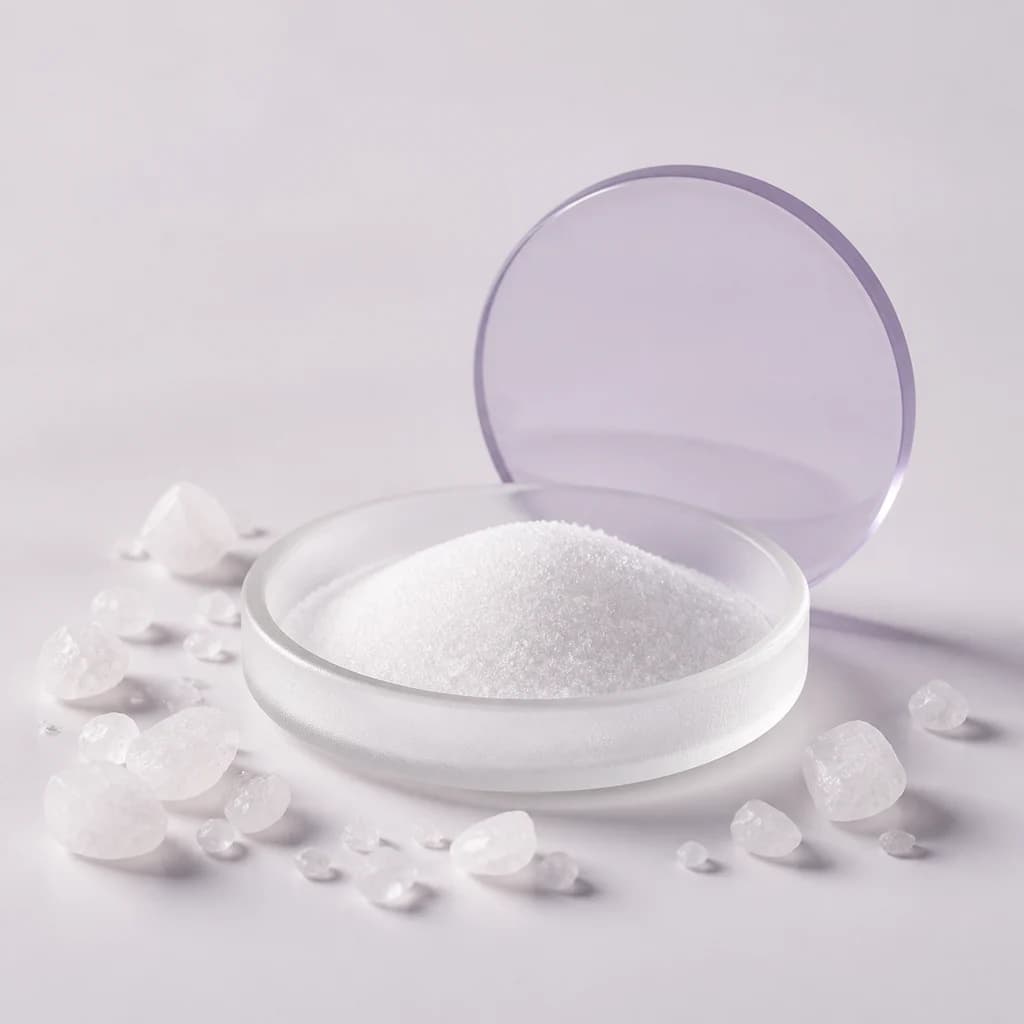
Choose a product made for home use and read whether it is a leave-on or rinse-off formula.
Start less frequently than daily with a new exfoliating product, then follow its directions as your skin settles into it.
Follow with moisturizer. At first, keep scrubs, other acids and retinoids for separate nights.
Use daily sunscreen as part of your usual routine, and reduce exfoliation whenever skin feels dry or uncomfortable.
A few thoughtful pairings can help you build a comfortable routine.
A small split-face study measured increased hydration after gluconolactone treatments. Researchers found similar hydration changes with the two strengths they studied.
A small controlled study measured lower moisture loss after a cleansing challenge on skin treated with a gluconolactone cream.
It is commonly described as a PHA, or polyhydroxy acid. Glycolic and lactic acids are familiar AHAs, while salicylic acid is the common skincare BHA.
A mild PHA formula can be an option when you want to try exfoliation gently. Start slowly, patch test and skip exfoliation while your skin feels irritated.
Some formulas are intended for daily use, while others are occasional treatments. Build up gradually and follow your product's directions.
Gluconolactone has recognized cosmetic roles and small human hydration and barrier studies. Peel, multi-acid and laboratory results are not generalized to all daily-use formulas; no AHA-specific sun-sensitivity claim is assumed.
2022-07
Manufacturer technical paper confirms the GDL name, glucose-fermentation production, conversion in water and PHA/formulation roles. Its manufacturing description does not establish the supplier used in stocked products.
2021-03-26
Sixteen women, three split-face treatments using 10% and 30% solutions; hydration increased without a significant difference between concentrations. Procedure concentrations are not consumer-use advice.
1997-12
Eleven participants, four-week site study. Gluconolactone-treated sites showed lower water loss after an experimental cleansing challenge; not a disease or wound-treatment result.
2004-02
Start on separate nights so your skin has time to get used to each. There is no need to use both in one session, especially if you notice dryness.
No. It can also serve conditioning and formula-support roles. Use the label's purpose and directions to decide where the product belongs.
Yes. Daily sunscreen remains part of good skincare. Gluconolactone itself does not give an ordinary toner or serum an SPF.
Human testing did not show a significant increase in sunburn cells. Laboratory photoprotection is not SPF, and ordinary routine sunscreen advice remains appropriate.
2026-06-05
Gluconolactone was considered safe in reviewed uses; conclusions for other glycolactones differ. Supports exact ingredient roles and identity, not blanket family claims.
2021-08-10
Try the complete product on a small area and stop if it causes a reaction.
Find your next routine favourite
Start with one product that fits your routine.
Use at your serum step, before moisturizer. Choose this step when you want to keep the cream you already love, and follow the product's directions for how often to apply it.
Explore a serum or ampouleMake it part of your moisturizing step. Choose a cream for a richer finish or an emulsion for a lighter layer.
Explore a moisturizer8 productsSwipe to explore