What are squalane's skin benefits?
01
Loading page…
Loading ingredient guide…
Skincare, simply explained
Squalane is an emollient that helps skin feel soft and smooth. You will find it in facial oils, serums and moisturizers, especially when a formula needs a little extra comfort.
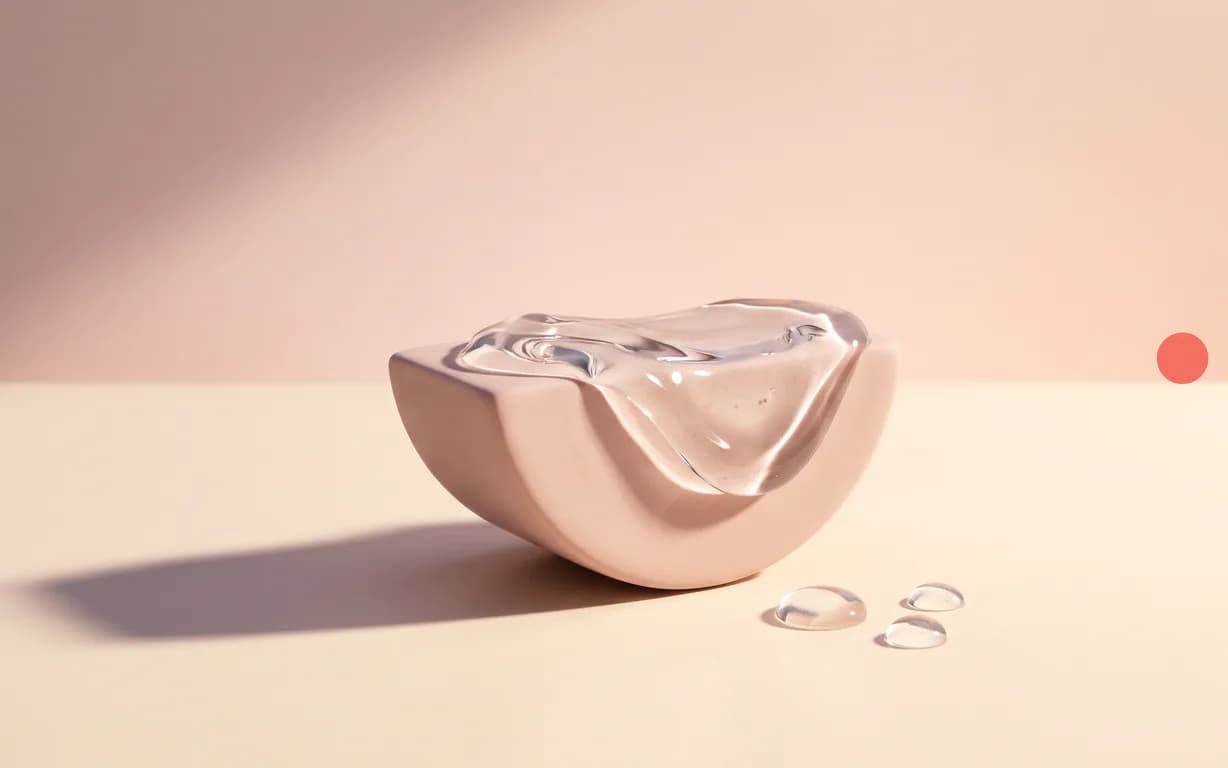
Its emollient role helps the skin's surface feel smoother and less rough.
Squalane adds an oil-like component to a routine when a watery serum alone feels too light.
It gives creams and facial oils a smooth, easy-to-spread feel that can make everyday moisturizing more pleasant.
Squalane is a clear, oil-like ingredient used to give skin and skincare a smooth feel. It is closely related to squalene, one of the oils naturally present in skin. A process called hydrogenation changes squalene's structure to make squalane, which is a separate ingredient with its own name.
In skincare, squalane is an emollient: it adds softness and helps a formula spread easily. Unlike water-binding ingredients such as glycerin, it belongs to the oil part of a moisturizer. That is why the two are often used together in the same cream.
Squalane can be made from different starting materials, including plant sources and biotechnology. If plant-based sourcing matters to you, look for the brand's sourcing statement; the ingredient name alone does not identify its origin.
On the ingredient list: Squalane
Choose a moisturizer containing squalane or a facial oil made for direct use on skin.
Apply water-based serums first. Use a small amount of facial oil after moisturizer if you want extra softness.
Start with less than you think you need, adding only enough to make dry areas feel comfortable.
Follow the product directions and keep sunscreen as the final morning skincare step.
A few thoughtful pairings can help you build a comfortable routine.
Combines water-attracting hydration with an emollient finish.
A watery serum can go underneath your moisturizer or facial oil.
Often useful alongside squalane in a cream for dry-feeling skin.
Cosmetic ingredient records describe squalane's emollient and conditioning roles: helping skin feel softer and smoother.
A cosmetic safety reassessment supports squalane in the uses reviewed. Whether you prefer a cream or an oil comes down to the full formula and how much richness your skin enjoys.
They are related but distinct ingredients. Squalane is the more stable form commonly used in skincare; check the final letter on the label.
Some people with oily skin enjoy a small amount, while others prefer a light lotion. Start sparingly and judge the complete product by how your skin responds.
A separate facial oil usually goes after a water-based moisturizer. If squalane is already part of your cream, use that cream in your normal moisturizer step.
Squalane has established cosmetic emollient and conditioning roles. These do not establish acne treatment, wrinkle reversal, wound healing or UV protection.
Accessed 2026-09-17
Emollient, refatting and conditioning functions. The ingredient can have different sources; the name does not verify vegan sourcing.
2017
Primary chemistry research establishing the hydrogenation relationship between squalene and squalane. It is used to explain manufacture, not to claim a clinical skin benefit.
2023-09-26
Safety as used in the reviewed cosmetic practices. The assessment does not make squalane and squalene interchangeable or prove clinical treatment benefits.
2021-08-10
Try the complete product on a small area and stop if it causes a reaction.
No. Hyaluronic acid is a water-binding hydrator; squalane is an emollient. They can complement each other.
No. The ingredient name alone does not establish its source. Look for the brand's sourcing or vegan information.
Yes, a suitable facial product can be part of daily care. Use only as much as your skin needs to feel comfortable.
Find your next routine favourite
Start with one product that fits your routine.
Use at your serum step, before moisturizer. Choose this step when you want to keep the cream you already love, and follow the product's directions for how often to apply it.
Explore a serum or ampouleMake it part of your moisturizing step. Choose a cream for a richer finish or an emulsion for a lighter layer.
Explore a moisturizer8 productsSwipe to explore