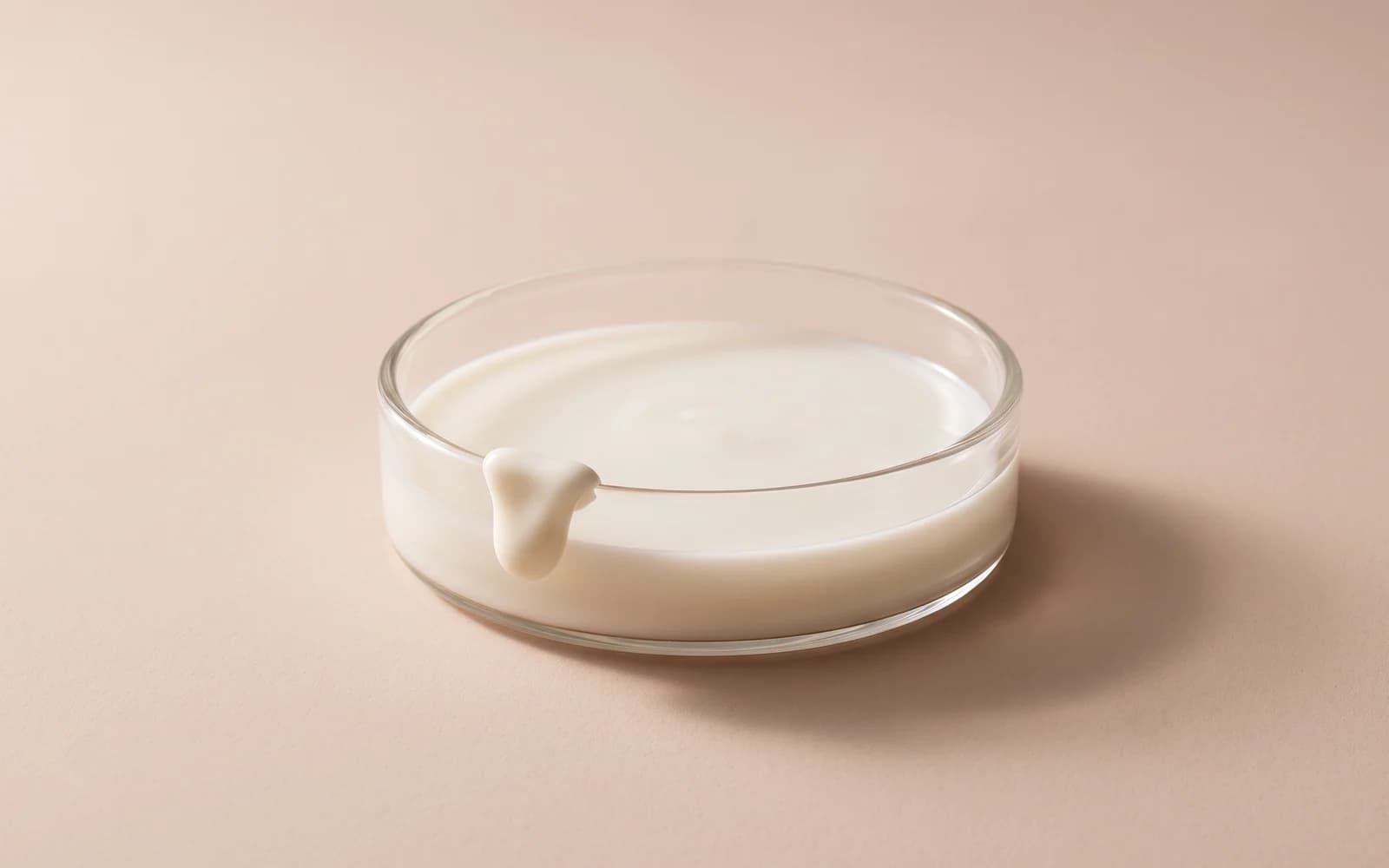
Korean cleansing milks: what they do and how to choose one
Updated September 10, 2026
A cleanser that barely bubbles can take a little getting used to. Without a mound of foam, how do you know when you're done? Korean cleansing milks make more sense when you look at their directions: what goes on dry skin, what the formula is meant to remove, and how it comes off again.
The useful question is whether a milk can do your evening cleansing job comfortably. That might mean removing a light layer of makeup in one wash. It might mean being the first step before another cleanser. A pale, creamy texture alone won't tell you which.
Here's how to choose, with two current US product listings that show the differences. This is a formula-and-directions comparison; we haven't tested these cleansers on our own skin.
What is a Korean cleansing milk?
A cleansing milk is usually a fluid, creamy cleanser made with water, oils or other emollients, and ingredients that help the mixture cleanse and rinse away. Think of “milk” as a clue to its consistency. It doesn't identify a single recipe or tell you how much makeup a particular bottle removes.
The two formulas below both list water and oils, along with the cleansing ingredient decyl glucoside. Their directions start on dry skin. That matters more at the sink than deciding whether the bottle belongs in a strictly “oil-based” or “water-based” category.
Milk also doesn't automatically mean dairy. The ma:nyo example contains soybean extract and a soymilk ferment; make p:rem lists soybean protein. Check the full ingredient list if you're avoiding an ingredient. The name, a plant pictured on the bottle, or its white color is no substitute for that check.
There are creamy face washes that foam, cleansing milks that barely lather, and cleansing oils that turn milky when water is added. Those aren't interchangeable directions. If you want a broader comparison of formats, start with our Korean face wash guide.
Start with what you need to remove
Before comparing ingredients, picture an ordinary evening. Do you wear sunscreen and little else? Foundation? Waterproof mascara? The answer helps narrow the job you need this cleanser to do.
Use this three-part label check while shopping:
Find the removal claim. Look for the specific words: light makeup, sunscreen, waterproof makeup, or daily cleansing. Don't quietly upgrade “light makeup” into “everything I wear.”
Find the removal instructions. Some milks offer rinsing and wiping options. Others distinguish between using the milk alone and following it with another wash. Choose directions you'll actually want to follow.
Check the exact formula. Compare the full product name, size and ingredient list on the listing with the bottle you receive. Similar packaging can hide a different product or a different market version.
An easy way to rule out a poor fit: if the selling point is a gentle single cleanse but the directions require a second wash for your usual makeup, it isn't the one-step purchase you had in mind. It may still be a useful first cleanser. Just buy it for that job.
Two Korean cleansing milks worth comparing
These examples were chosen for accessible ingredient lists and specific use instructions, rather than popularity scores. The comparison uses the ma:nyo US brand page and Sephora's US make p:rem listing, checked in September 2026. Neither listing proves that its cleanser will suit every person with a particular skin type.
ma:nyo Pure Soybean Cleansing Milk
Worth comparing if: you want a milk with an explicit rinse-off option and no fragrance or aromatic essential oils named in the inspected ingredient list.
The 200 ml Pure Soybean Cleansing Milk lists glycerin, sunflower and jojoba oils, panthenol, and ceramides NP and AP. It also contains soybean extract and soymilk ferment. Those details describe the formula; they don't make a rinse-off cleanser a replacement for moisturizer.
The brand directs you to apply it with dry hands to dry skin, massage for about a minute, then rinse with lukewarm water or remove it with a tissue or damp sponge. A follow-up foam is presented as an optional extra. The full formula and instructions are on ma:nyo's US product page.
Watch the name: Pure Soybean Cleansing Milk is different from the brand's Pure Cleansing Milk and its cleansing oils. Match the complete name before transferring advice between bottles.
make p:rem Safe me. Relief Moisture Cleansing Milk
Worth comparing if: you want clearly separated instructions for using a milk alone or as the first half of a double cleanse.
Sephora's 200 ml US listing names olive, safflower and meadowfoam oils, glycerin, panthenol and ceramide NP. It also lists clary and bergamot oils. Don't read a sensitive-skin product name as a promise that fragrance-related ingredients are absent.
The directions specify dry skin for sunscreen and light makeup. Used alone, the milk should be rinsed thoroughly with lukewarm water. For double cleansing, the listing allows wiping or rinsing before a second cleansing foam. Those are two different instructions, not permission to leave a single cleanse sitting on your face. See the current US ingredients and directions.
Watch your priority: if avoiding aromatic oils is a firm requirement, this inspected formula doesn't meet it. Its light-makeup wording also shouldn't be treated as a waterproof-mascara claim.
Can a cleansing milk replace your face wash?
It can when the particular product is intended to be used alone and does the cleansing job you need. Both examples above provide a rinse-off route. You don't have to add a foam purely because the first cleanser didn't make bubbles.
You also don't have to replace a face wash that's already comfortable. Milk is an option for someone who prefers a creamier cleansing format, not a compulsory upgrade in a Korean skincare routine.
Three common situations make the choice easier:
You usually wear light makeup. Start with a milk whose directions cover it and allow single cleansing. Follow the recommended amount and removal method before deciding whether you need another step.
You wear long-wear or waterproof eye makeup. Check that makeup's removal instructions and use a suitable remover when needed. Don't keep rubbing with a milk that only promises to remove light makeup.
You already use a first cleanser successfully. Work out what the milk would replace. Adding it between an oil and a face wash creates another wash without explaining what problem it solves.
Our double-cleansing guide covers how to arrange two products when you need them. Here, the buying decision is simpler: choose a milk for a defined place in the routine before adding anything else.
How to use one without overdoing the wash
Read the bottle first. The two examples here start on dry skin, but that isn't a universal instruction for every cream-colored cleanser. If you're replacing a wet-skin face wash, this is the habit most likely to need changing.
Use your fingertips and light pressure. Work around areas where makeup tends to linger, then remove the cleanser as directed. When rinsing, take care around the hairline, sides of the nose and jaw instead of compensating with harder rubbing.
For general face washing, the American Academy of Dermatology recommends gentle cleansing, lukewarm water, no scrubbing, and patting dry. It also advises moisturizer for dry or itchy skin. Those basics are useful even when a particular milk's label specifies a dry-skin start. See the AAD's face-washing advice.
Don't turn a cleanser into an overnight cream because it contains moisturizing ingredients. Its removal directions still apply. And don't chase a squeaky finish by repeatedly washing the same area; more friction isn't a reliable way to judge whether a product suits you.
What if your skin is sensitive?
Be more interested in the ingredient list and your own history than the word “gentle.” A milk can contain an ingredient you've reacted to before, just as a gel can. Its texture doesn't settle that question.
The AAD recommends trying a new skincare product on a small area twice daily for seven to ten days before broader use. For a wash-off product, follow the label's contact time during that trial and remove it afterward. Stop using it if you develop a reaction; persistent or severe symptoms deserve medical advice. The AAD's product-testing guide explains the process and its limits.
Make one change at a time where you can. Replacing your cleanser, toner and moisturizer together makes it harder to work out which change your skin liked or disliked. For help keeping the rest straightforward, see our Korean skincare guide for sensitive skin.
Before you buy
Finish this sentence: “I want this milk to remove ___, and I'll take it off by ___.” If the product's directions support both answers, you've found a sensible candidate to try.
Then check the formula against your own ingredient preferences, match the exact bottle, and leave room to change your mind. The point is a wash you understand and can use comfortably—not a new rule that every evening needs more cleansing.
Compare Korean cleansing oils by makeup removal, fragrance, rinse-off steps and bottle size. See current formula differences before choosing your first bottle.
Korean Cleansing Milks: How to Choose and Use One | Sleepy Hello